
Mark it now: daylight saving time ends Sunday, November 1, 2026, at 2:00 AM, when clocks fall back one hour. You'll gain an extra hour of sleep — but the real payoff of the fall time change is the safety habit it anchors: checking your smoke and carbon monoxide alarms.
Fire-safety experts have long paired the fall clock change with detector maintenance, and for good reason. Working smoke alarms cut the risk of dying in a home fire roughly in half, and most alarm failures are the simplest kind — dead or dying batteries, or an alarm too old to do its job.
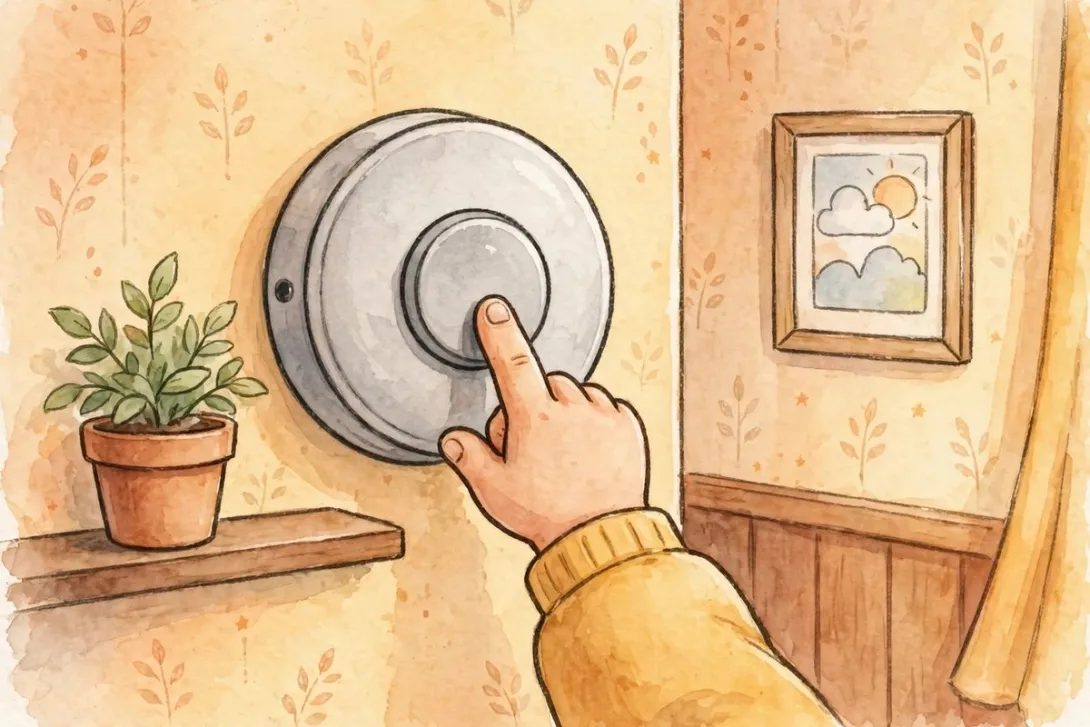
When you set the clocks back, press the test button on every smoke alarm in the home. You should hear a loud, unmistakable alarm. If it's weak or silent, swap the battery and test again. For alarms with replaceable batteries, November 1 is your annual reminder to put in fresh ones.
And check the age. Smoke alarms should be replaced entirely after 10 years — the sensor loses sensitivity over time. Flip the unit around and look for a manufacture date; if it's a decade old or the date is unreadable, it's time for a new one. Give carbon monoxide alarms the same treatment: test them, refresh batteries, and replace them on the manufacturer's schedule.
While you're at it, think about light. After November 1, the evening commute runs in the dark. Check that porch lights, pathway lights, and motion lights are working — in a condo community like ours, good exterior lighting keeps shared walkways safer for everyone coming home after sunset. A quick evening walk around the home with the lights on shows you exactly which bulbs or fixtures need attention.
One habit, twice a year: when the clocks change, the alarms get checked. Set a reminder on your phone for November 1 — your future self will sleep better, in more ways than one.
- Log in to post comments